
What Does a Typical Day on a Tanzania Safari Look Like?
Are you planning your first Tanzania safari tour and wondering what a typical day looks like? A safari in Tanzania is more than just driving around looking for animals. It is a full-day adventure filled with incredible wildlife, beautiful landscapes, early morning game drives, relaxing meals, and unforgettable moments in the African wilderness. From watching the sunrise over the Serengeti plains to spotting lions, elephants, giraffes, and zebras in their natural habitat, every day brings something different.
What Time Does a Tanzania Safari Start?
Most safari days begin early in the morning, usually around 6:00 or 6:30 AM, depending on your location, itinerary, and accommodation. Early morning is a popular time for wildlife viewing because temperatures are cooler and many animals are active. After getting ready, you enjoy breakfast or collect a packed breakfast before meeting your professional safari guide and heading into the national park.
1. Early Morning Game Drive
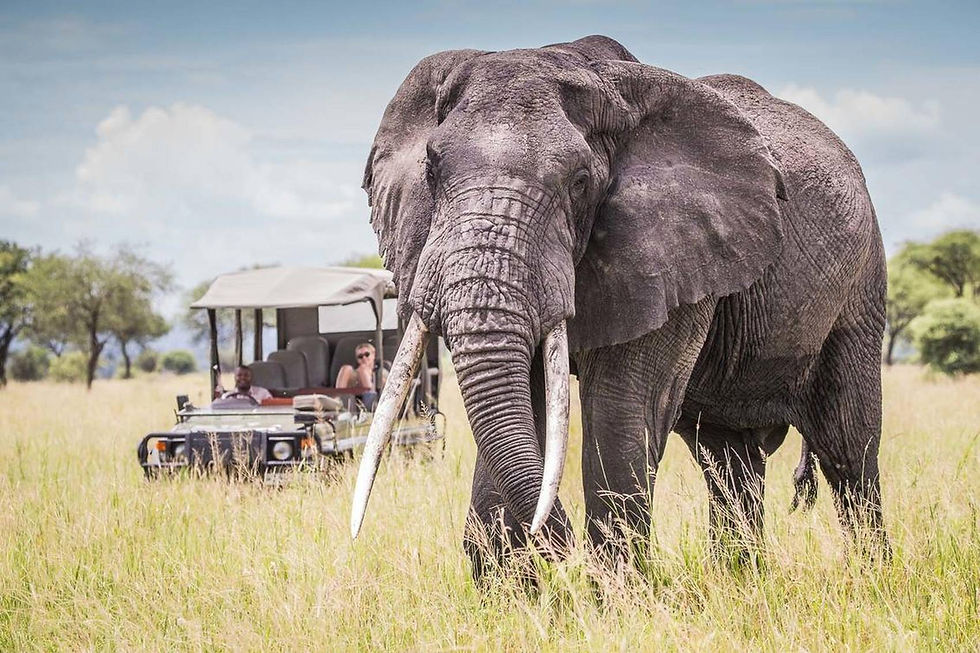
The morning game drive is often one of the most exciting parts of a Tanzania safari experience. As the sun rises, your safari vehicle travels through the park in search of wildlife. You may encounter lions resting after a night of activity, elephants moving across the plains, giraffes feeding on trees, zebras and wildebeest grazing, or leopards resting in trees. Your guide helps you locate animals, explains their behaviour, and shares information about the surrounding ecosystem. Every morning game drive is different, and you never know what wildlife you might discover next.

2. Breakfast in the Bush or at Your Lodge
After your morning game drive, you can enjoy breakfast at your lodge or tented camp, or have a packed breakfast in a designated picnic area, depending on your itinerary. This is a good opportunity to relax, enjoy your meal, and prepare for the next part of your safari. Most Tanzania safari packages include breakfast, lunch, and dinner, although meal arrangements depend on your accommodation and travel plans.

3. Continue Exploring the National Park
After breakfast, you can continue exploring the park with your safari guide and visit different wildlife areas. This is a great opportunity to search for animals you have not yet seen and enjoy the beauty of Tanzania's natural landscapes. You may discover large herds of wildebeest and zebras in Serengeti, elephants and baobab trees in Tarangire, lions and other predators in different habitats, or hippos and crocodiles near rivers and water areas. During the Great Serengeti Migration, your guide can focus on suitable areas based on the expected location of the herds.

4. Lunch During Your Safari
Around midday, it is time to enjoy lunch and take a break from exploring. Depending on your safari itinerary, lunch may be served at your lodge, tented camp, or in a designated picnic area inside the park. A picnic lunch allows you to spend more time exploring without returning to your accommodation. After lunch, you can relax, enjoy the scenery, and prepare for your afternoon game drive.

5. Afternoon Game Drive
The afternoon brings another opportunity to enjoy Tanzania's incredible wildlife. You return to the safari vehicle and continue exploring with your guide, who selects suitable areas based on wildlife movements and recent sightings. You may see elephants crossing the road, giraffes feeding, lions resting, or large herds moving through the grasslands. For travelers interested in a Big Five Tanzania safari, this is another opportunity to search for lions, leopards, elephants, buffaloes, and rhinos. Wildlife sightings depend on the season, location, and natural conditions, making every game drive a unique experience.

6. Sunset and Return to Your Lodge
As the afternoon comes to an end, you gradually leave the game-viewing areas and return to your accommodation. The changing light creates beautiful golden colours across the African landscape, providing wonderful opportunities for photography. At your lodge or tented camp, you can relax, enjoy the surroundings, and reflect on the day's wildlife encounters. Some camps also offer a sundowner experience in designated areas.

7. Dinner and Overnight in the Wild
After a full day of adventure, enjoy dinner at your lodge or tented camp. You can share stories about the animals you saw, relax with fellow travelers, and prepare for another exciting day. Depending on where you stay, you may hear the natural sounds of the African wilderness around the camp. Accommodation options range from budget campsites to comfortable safari lodges and luxury tented camps, allowing you to choose what best suits your Tanzania safari package and budget.

Example: A Typical Day on Tanzania Safari
Your daily schedule may look something like this:
6:00 AM – Wake Up: Get ready for your morning game drive.
6:30 AM – Morning Game Drive: Explore the national park and search for wildlife.
9:00 AM – Breakfast: Enjoy breakfast at your lodge or a picnic area.
10:00 AM – Game Viewing: Continue exploring the park.
12:30 PM – Lunch: Enjoy a picnic lunch or return to your lodge.
2:00 PM – Afternoon Game Drive: Continue searching for wildlife.
5:30 PM – Return to Accommodation: Relax after your game drive.
7:00 PM – Dinner: Enjoy dinner and prepare for the next day.
These are example times. Your actual schedule will depend on the park, season, accommodation, and safari itinerary.
Is Every Day on a Tanzania Safari the Same?
No. Every safari day can be different depending on the national park, wildlife movements, and your itinerary. A day in Serengeti focuses on exploring open plains and searching for predators and large herds, while Ngorongoro offers a crater game drive with a variety of wildlife in a unique landscape. Tarangire is famous for elephants and baobab trees, while Lake Manyara offers forests, open areas, lake scenery, and diverse birdlife. Each destination provides a different experience, making a multi-park Tanzania safari tour especially rewarding.
What Is Included in a Typical Tanzania Safari Day?
Most organized Tanzania safari packages include the main services you need during your game drives, allowing you to focus on enjoying the wildlife and scenery. Depending on your chosen package, these may include:
Professional safari guide
4x4 safari vehicle with a pop-up roof
Morning and afternoon game drives
National park fees according to your itinerary
Meals during the safari
Drinking water during game drives
Accommodation
Transfers included in your package
Always check your safari itinerary to confirm the exact inclusions and exclusions.
What Should You Bring on a Tanzania Safari?
You do not need to pack too much for a safari, but bringing the right items can make your day more comfortable. We recommend carrying:
Comfortable and lightweight clothing
Hat and sunglasses
Sunscreen
Camera and extra batteries
Binoculars
Comfortable shoes
Light jacket for early mornings
Personal medication
Small day bag
Also, remember to bring your camera because you never know when an incredible wildlife moment may happen.
Why Choose a Private Tanzania Safari?
A private safari gives you your own 4x4 vehicle and dedicated professional guide, offering more flexibility with your itinerary, game-drive pace, and wildlife viewing. Unlike a group joining safari with fixed arrangements, a private experience allows you to enjoy the journey at your preferred pace. It is a popular choice for couples, families, friends travelling together, wildlife photographers, and travelers who prefer a personalized Tanzania safari experience.
Why Choose Meilleur Tours and Safari?
At Meilleur Tours and Safari, we believe every safari should be well planned, comfortable, and memorable. As a local Tanzania tour operator, we organize personalized safari experiences with experienced guides who understand the national parks and wildlife. We provide comfortable 4x4 Land Cruisers with pop-up roofs, carefully selected lodges and tented camps, flexible itineraries, and support from the first enquiry to the end of your trip. Whether you are planning a Serengeti safari, a Big Five Tanzania safari, or an adventure to experience the Great Serengeti Migration, we can help you create the right itinerary.
Frequently Asked Questions About a Typical Tanzania Safari Day
What time do Tanzania safaris start?
Most safari days start around 6:00 or 6:30 AM, when temperatures are cooler and many animals are active. The exact starting time depends on your accommodation, location, and itinerary.
How many hours do you spend on a safari game drive?
Game drives can last several hours, depending on your itinerary. You may enjoy morning and afternoon drives or a full-day game drive with a picnic lunch inside the park.
Do you stop for lunch during a Tanzania safari?
Yes. Most safaris include a lunch break at your lodge or a designated picnic area inside the national park, depending on your daily schedule.
Can I see the Big Five in one day?
It is possible, particularly in wildlife-rich areas such as Ngorongoro Crater, but sightings are never guaranteed. Seeing all five animals depends on wildlife movements and natural conditions.
Is a Tanzania safari tiring?
Safari days often start early and can involve several hours in a vehicle. However, you also have time for meals and relaxation at your accommodation. A well-planned private safari can offer a more flexible pace.
Can I choose morning or afternoon game drives?
Yes. Your game-drive schedule depends on your safari itinerary and accommodation arrangements. Private safaris offer more flexibility when planning your daily activities.
What do you eat during a Tanzania safari?
Most safari packages include breakfast, lunch, and dinner. Meals are usually served at your lodge or camp, while picnic lunches are common during full-day game drives. Special dietary requirements can often be arranged when requested in advance.
Do you stay in the national park overnight?
You can stay in lodges and tented camps located inside or around national parks, depending on your itinerary, availability, and accommodation choice.
Is a private safari better for first-time visitors?
A private safari is a good option for first-time visitors who want a dedicated guide, their own vehicle, and a more flexible itinerary. It also allows you to enjoy wildlife sightings without following a fixed group schedule.


Comments