
Ndutu Calving Season 2027
Witness the Miracle of New Life in Tanzania
Imagine watching thousands of wildebeest gathering across the beautiful open plains of southern Serengeti, with newborn calves taking their first steps and predators moving through the grasslands.
Every year, the Great Serengeti Migration brings one of Africa's most remarkable wildlife events to the Ndutu region of Tanzania. Between December and March, large herds of wildebeest gather around Ndutu and the southern Serengeti to give birth, creating an extraordinary wildlife experience.
The Ndutu Calving Season 2027 is an excellent time to visit Tanzania, especially for wildlife lovers, photographers, and travelers looking for something different from the famous river crossings.
From newborn wildebeest and large herds to lions, cheetahs, and hyenas, Ndutu offers an unforgettable Tanzania safari experience.
If you are planning a Tanzania safari in 2027, discover why Ndutu should be on your travel list.

When Is the Ndutu Calving Season in 2027?
The Ndutu Calving Season generally takes place between December and March, with most wildebeest births occurring from January to March. February is usually the peak period.
During these months, the wildebeest herds gather across the short-grass plains of Ndutu and the surrounding southern Serengeti. The fresh grass provides important feeding conditions for pregnant wildebeest and their newborn calves.
According to Tanzania National Parks, more than half a million wildebeest can give birth within a few weeks during the southern Serengeti calving season.
The exact timing depends on rainfall and grazing conditions, so the location and concentration of the herds can change from year to year.
Best period to visit in 2027:
December 2026: Herds begin gathering in the southern plains.
January 2027: Calving activity increases.
February 2027: Usually the peak calving period.
March 2027: Calving continues, and the herds gradually begin moving away as conditions change.
For the best experience, we recommend planning your safari around January and February 2027.
Where Is Ndutu Located?
Ndutu is located in northern Tanzania, within the southern Serengeti ecosystem, near the boundary between the Ngorongoro Conservation Area and Serengeti National Park.
The area is famous for its open grasslands, seasonal lakes, acacia woodlands, and rich wildlife.
Its short-grass plains provide important grazing areas for wildebeest during the calving season. This attracts large herds and predators, making Ndutu one of the most rewarding destinations for a wildlife safari in Tanzania.
Why Visit Ndutu During the Calving Season?
Ndutu offers a different experience from the traditional dry-season safari. Instead of focusing only on large wildlife herds and river crossings, visitors can experience newborn animals, predator activity, and beautiful green landscapes.
1. Witness Newborn Wildebeest
One of the most special experiences is watching newborn wildebeest taking their first steps.
The plains become filled with mothers and their young calves as thousands of animals gather in the area. Newborn calves can stand and begin walking shortly after birth, making this an incredible opportunity for wildlife observation and photography.
2. Incredible Predator Encounters
Where there are large numbers of young animals, predators are never far away.
Ndutu is known for predator activity during the calving season. You may encounter lions resting in the grass, cheetahs scanning the open plains, and hyenas moving around the herds.
These encounters offer opportunities to observe natural wildlife behaviour.
3. Beautiful Green Landscapes
Unlike the dry golden plains often associated with African safaris, Ndutu becomes greener during the calving season.
The landscape includes open grasslands, seasonal lakes, acacia trees, and beautiful skies, creating excellent scenery for photography.
4. Excellent Wildlife Photography
The Ndutu Calving Season is particularly attractive to wildlife photographers.
You can photograph newborn calves, large wildebeest herds, predators, zebras, and dramatic landscapes.
The open plains also provide good opportunities for observing animals without dense vegetation blocking the view.
5. A Different Great Migration Experience
Many travelers associate the Great Migration with the famous Mara River crossings.
However, the calving season is another important part of this natural event. It allows you to experience the beginning of new life in the Serengeti ecosystem rather than focusing only on the river crossings.
What Animals Can You See in Ndutu?
Ndutu is home to a wide variety of wildlife, particularly during the calving season.
During your Ndutu safari, you may encounter:
Wildebeest and newborn calves
Zebras and gazelles
Lions
Cheetahs
Leopards
Spotted hyenas
Jackals
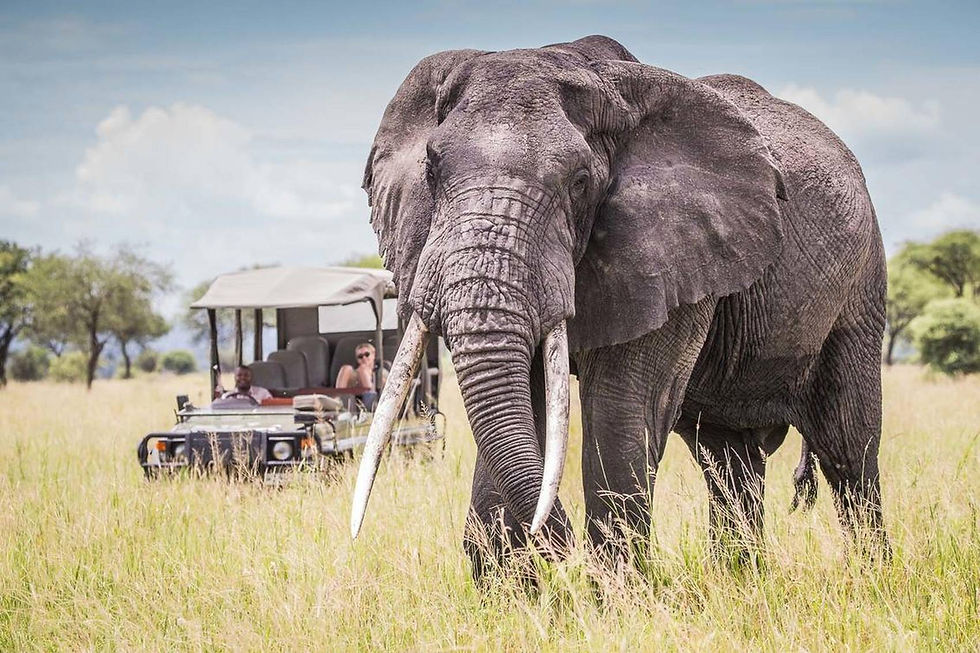
Elephants
Giraffes
Ostriches and other bird species
Wildlife sightings are never guaranteed, but the concentration of wildebeest during the calving season creates excellent opportunities for wildlife viewing.
How Many Days Do You Need for a Ndutu Safari?
We recommend spending at least 4 to 7 days exploring Ndutu during the calving season.
This gives you enough time to enjoy several game drives, explore different parts of the area, and search for wildlife without rushing your experience.
You can also extend your itinerary to include other famous destinations in northern Tanzania.
For example:
4 Days: Ndutu and southern Serengeti experience.
7 Days: A longer safari combining Ndutu, Serengeti, Ngorongoro, and other northern circuit destinations.
The best itinerary depends on your travel dates, budget, and wildlife interests.

Where to Stay During the Ndutu Calving Season
Choosing the right accommodation is important when planning your Ndutu Calving Season safari.
Staying near the Ndutu plains allows you to spend more time exploring the main wildlife areas instead of travelling long distances each day.
Accommodation options include:
Mid-Range Tented Camps
Offer comfortable tents, private bathrooms, meals, and a relaxing safari atmosphere.
Luxury Safari Camps
Ideal for travelers looking for premium comfort, excellent service, spacious tents, and beautiful wilderness settings.
Some camps operate seasonally around the Ndutu area, so availability can be limited during January and February.
We recommend booking your accommodation early to secure your preferred camp and travel dates.
What Is Included in a Ndutu Safari Package?
A typical Tanzania safari package to Ndutu may include:
Professional English-speaking safari guide
4x4 safari vehicle with a pop-up roof
Accommodation during the safari
Breakfast, lunch, and dinner
Park and conservation fees according to the itinerary
Drinking water during game drives
Airport transfers, depending on the package
Always check the itinerary carefully to understand what is included and excluded.
What Should You Pack for Ndutu?
For your 2027 Ndutu safari, pack comfortable clothing and essential travel items.
We recommend:
Lightweight safari clothing
Neutral-colored shirts and trousers
Warm jacket for early mornings
Comfortable walking shoes
Hat and sunglasses
Sunscreen
Camera and extra batteries
Binoculars
Personal medication
Small day bag
The weather can change, so carrying a light rain jacket is also useful.
Why Book Your Ndutu Safari Early for 2027?
The Ndutu Calving Season attracts wildlife enthusiasts and photographers from around the world.
January and February are especially popular, and seasonal tented camps have limited accommodation capacity.
Booking early gives you more choices of accommodation, better opportunities to arrange your preferred itinerary, and time to organize flights and other travel arrangements.
At Meilleur Tours and Safari, we help travelers plan their Ndutu safari according to their travel dates, budget, accommodation preference, and wildlife interests.
Frequently Asked Questions About Ndutu Calving Season 2027
When is the best time to visit Ndutu in 2027?
January and February 2027 are excellent months to visit Ndutu, with February generally offering the peak calving experience. The exact timing depends on rainfall and wildlife movements.
What is the Ndutu Calving Season?
The Ndutu Calving Season is the period when large numbers of wildebeest gather in the southern Serengeti ecosystem to give birth. It is an important part of the Great Serengeti Migration.
How many wildebeest are born during calving season?
Tanzania National Parks describes more than half a million wildebeest births within a few weeks during the southern Serengeti calving season. Birth numbers vary with the natural seasonal conditions.
Can I see lions and cheetahs in Ndutu?
Yes. Lions and cheetahs are among the predators found in Ndutu during the calving season. You may also see leopards, hyenas, and jackals.
Is Ndutu part of Serengeti National Park?
Ndutu lies within the southern Serengeti ecosystem, near the boundary of Serengeti National Park and the Ngorongoro Conservation Area. The area is closely connected to the Great Migration.
Is Ndutu good for wildlife photography?
Yes. The open plains, large wildebeest herds, newborn calves, and predator activity make Ndutu an excellent destination for wildlife photography.
How many days should I spend in Ndutu?
Three to four days is a good starting point. This allows time for multiple game drives and opportunities to explore different wildlife areas.
Can I combine Ndutu with Ngorongoro Crater?
Yes. Many travelers combine Ndutu with Ngorongoro Crater for a more complete Tanzania safari. You can also add Tarangire or Central Serengeti.


Comments