
Serengeti National Park Safari – Travel Guide & Tours
Serengeti National Park is one of Africa’s most iconic safari destinations, known for its endless plains, rich wildlife, and the world-famous Great Migration. As a UNESCO World Heritage Site, it offers one of the best Tanzania safari experiences, attracting travelers from around the world who want to explore untouched nature, enjoy luxury or mid-range safaris, and experience authentic African wildlife in its natural habitat.

Located in northern Tanzania, Serengeti National Park covers about 14,763 square kilometers and forms part of a larger ecosystem that extends into Kenya’s Maasai Mara. The park is home to the Big Five—lion, elephant, buffalo, leopard, and rhino—as well as cheetahs, giraffes, zebras, hyenas, and more than 500 bird species. Its open savannahs, scattered acacia trees, and seasonal rivers create the perfect environment for wildlife, making every game drive unique and full of surprises.
One of the main highlights of the Serengeti is the Great Migration, where millions of wildebeest, zebras, and gazelles move across the plains in search of fresh grazing and water. This dramatic journey includes famous river crossings filled with predators, offering one of the most spectacular wildlife events on Earth. Combined with breathtaking landscapes, golden sunsets, and year-round wildlife viewing, Serengeti National Park remains a top destination for an unforgettable Tanzania safari experience.
Wildlife & Big Five in Serengeti
Serengeti National Park is one of the best places in Africa for a wildlife safari, offering an incredible variety of Serengeti animals in their natural habitat. The park is especially famous for the Big Five—lion, elephant, buffalo, leopard, and rhino—which many travelers hope to see during their Tanzania safari. With vast open plains and a healthy ecosystem, wildlife viewing in the Serengeti is excellent throughout the year.
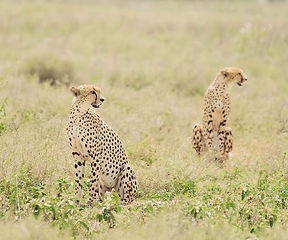
Serengeti is known for its high number of predators, including over 4,000 lions, making it one of the largest lion populations in Africa. You can also spot leopards resting in acacia trees and cheetahs hunting across the plains. Large herds of elephants, giraffes, zebras, and wildebeest are commonly seen, creating dramatic wildlife scenes during every game drive. The park’s diverse habitats—from grasslands to river areas—support a wide range of species, making each safari unique.
For bird lovers, Serengeti is also a top destination, with more than 500 bird species recorded. From colorful lilac-breasted rollers to powerful birds of prey like eagles and vultures, bird watching is rewarding all year round. Whether you are interested in the Big Five Serengeti experience or simply want to enjoy the beauty of African wildlife, Serengeti National Park offers one of the most complete wildlife safari experiences in Tanzania.


Great Wildebeest Migration in Serengeti National Park
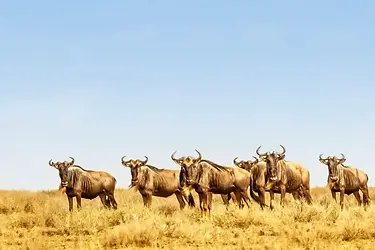
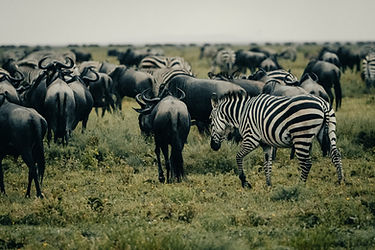
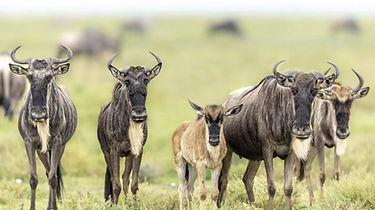
The Great Migration in Serengeti National Park is the world’s largest animal movement, where over 1.5 million wildebeest, along with zebras and gazelles, move in a continuous cycle across the Serengeti ecosystem in search of fresh grass and water. This journey follows seasonal rains and happens year-round, meaning visitors can experience different stages of the migration depending on the time of travel, from calving season to long-distance movement across the plains.
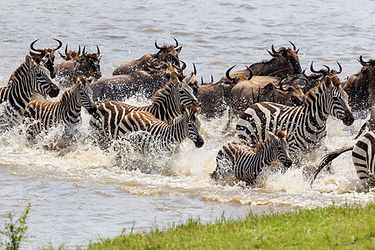
This is one of the most powerful wildlife spectacles on earth and a top highlight of any Tanzania safari. The migration includes dramatic river crossings at the Mara and Grumeti Rivers, where crocodiles and predators such as lions, cheetahs, and hyenas create intense wildlife action. Beyond the drama, it also supports the natural balance of the ecosystem, making the Great Migration not only exciting to watch but also essential to the life of the Serengeti.


Serengeti Migration Timing – Best Months to See the Great Migration
Calving Season in Southern Serengeti (Ndutu)
During this period in Serengeti National Park, thousands of wildebeest calves are born daily, attracting predators like lions and cheetahs. It is the best time to see newborn animals, active hunting scenes, and large herds across the open plains, making it perfect for wildlife viewing and photography on a Tanzania safari. The short grass plains also provide excellent visibility, allowing visitors to easily spot wildlife, while the presence of many young animals increases predator activity, creating some of the most dramatic and rewarding safari moments of the year.




Best Places to See the Great Migration Serengeti
Southern Serengeti (Ndutu Area):
Best for calving season (Jan–Mar) with large herds and strong predator action; during this period in Serengeti National Park, thousands of wildebeest calves are born on the short grass plains, attracting predators like lions and cheetahs, while wide open landscapes offer excellent visibility and some of the best wildlife viewing and photography opportunities of the entire Great Migration cycle.
Central Serengeti (Seronera):

Great for year-round wildlife and migration movement across Serengeti National Park; this area is known as the heart of the park, with permanent water sources attracting large numbers of animals, including lions, leopards, and cheetahs, making it one of the best locations for consistent game viewing and predator sightings during any Tanzania safari.
Western Corridor:
Ideal for Grumeti River crossings (Jun–Jul) with fewer crowds; during this period in Serengeti National Park, large herds gather along the Grumeti River where they face strong currents and crocodiles, creating dramatic wildlife scenes, while the quieter environment offers a more exclusive Tanzania safari experience with excellent game viewing opportunities.

Northern Serengeti (Kogatende):

Best place for dramatic Mara River crossings (Aug–Oct); during this period in Serengeti National Park, thousands of wildebeest and zebras gather at the Mara River, hesitating before crossing steep banks and fast currents while facing crocodiles and predators, creating some of the most intense and unforgettable wildlife moments of the Great Migration and a top highlight of any Tanzania safari.
Best Time to Visit Serengeti
Best for Wildlife Viewing
This is the best time for a Serengeti safari in Serengeti National Park, with clear skies, dry conditions, and excellent visibility across the plains. Animals gather around rivers and waterholes, making wildlife easier to spot, while shorter grass allows for better game viewing and photography. It is also the peak period for the Great Migration, especially the dramatic Mara River crossings in the Northern Serengeti, where large herds face strong currents and predators. In addition, the weather is comfortable for game drives, with cooler mornings and evenings, creating ideal conditions for a high-quality Tanzania safari experience.
Things to Do in Serengeti National Park
🚙 Game Drives (Wildlife Safari Experience)
Game drives are the main activity in the Serengeti National Park, allowing you to explore the park in a 4x4 safari vehicle with an expert guide. You can see the Big Five, predators like lions and cheetahs, elephants, giraffes, and follow the Great Migration across different regions of the park. Early morning and late afternoon drives offer the best chances to witness active wildlife behavior and dramatic hunting scenes.
🎈 Hot Air Balloon Safari (Luxury Experience)
A hot air balloon safari offers a unique aerial view of the Serengeti plains at sunrise, giving you a breathtaking perspective of wildlife and endless landscapes. You float silently above herds of wildebeest, zebras, and elephants before landing for a luxury bush breakfast in the wild. It is one of the most exclusive and unforgettable luxury safari experiences in Tanzania.
🚶 Walking Safari (Close to Nature)
Walking safaris give you a chance to explore the African bush on foot with a professional armed guide. You learn about animal tracks, plants, insects, and the ecosystem in a more personal and adventurous way. This experience offers a deeper connection to nature and a different perspective of the Serengeti beyond vehicle safaris.
👣 Cultural Visits (Maasai Experience)
Visit local Maasai communities near the Serengeti to learn about their traditions, lifestyle, and deep connection with nature. You can see traditional dances, homesteads (bomas), and hear stories about their coexistence with wildlife. This cultural experience adds meaning to your safari and gives you a richer understanding of Tanzania beyond wildlife.
Serengeti Safari Itineraries – Best Tanzania Safari Travel Plans


Where to Stay in Serengeti (Lodges & Camps)

Premium/ High-End
One Nature Mara river
Serengeti National Park
Collection: One Nature

Standard Luxury
Serena Safari Lodge
Ngorongoro Crater
Collection: Serena Hotel

Upper Mid-Range
Enkutoto Migration Camp
Serengeti National Park
Collection: Acacial Collection

Mid-Range
Tanzania Bush Camp
Serengeti National park
Collection: Tanzania Bush Camp

Premium/ High-End
Sasakwa lodge Serengeti
Serengeti National Park
Collection: Singita

Standard Luxury
Ang'ata Serengeti Camp
Serengeti National Park
Collection: Ang'ata Camps

Upper Mid-Range
Misako Tented Camp
Serengeti National Park
Collection: Misako Tented Camp
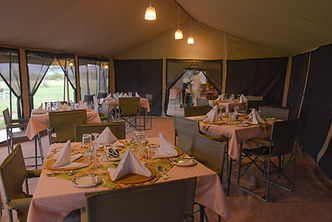
Mid-Range
Thorn Tree Camp
Serengeti National park
Collection: Thorn Tree Camp

Premium/ High-End
Four Season Safari Lodge
Serengeti National Park
Collection: Four Season Safari Lodge

Standard Luxury
Serengeti Explore
Serengeti National Park
Collection: Elewana

Upper Mid-Range
Sueños de África Luxury Camp
Serengeti National park
Collection: Sueños de África Luxury Camp

Mid-Range
Nyikani Camp
Serengeti National park
Collection: Nyikani Camps
How to Get to Serengeti National Park
Flights to Serengeti (Fast & Convenient)
The fastest way to reach Serengeti National Park is by domestic flights from Arusha, Kilimanjaro, or Zanzibar to airstrips like Seronera, Kogatende, and Grumeti. These flights are short, scenic, and ideal for luxury safaris or limited time travelers, offering beautiful aerial views of Tanzania and saving travel time so you can start your safari immediately.

Road Transfer (Scenic Safari Experience)
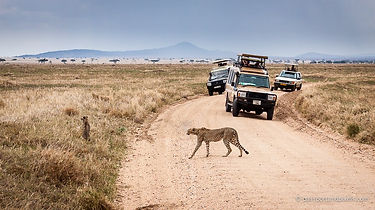
You can also reach Serengeti National Park by 4x4 safari vehicle from Arusha via the Ngorongoro Conservation Area. This route takes longer but offers a true classic Tanzania safari experience with scenic landscapes, Maasai villages, and wildlife sightings along the way. It is a great option for travelers who want to enjoy the journey as part of the adventure before entering the park for game drives.
How to Get to Serengeti National Park
The Serengeti safari cost in Serengeti National Park depends on the type of accommodation, travel season, and level of comfort. All visitors must pay park entry fees, and those staying inside the park also pay concession fees.
Park Entry Fees (Per Person Per Day)
-
Adults: USD 60 – 83 per day
-
Children (5–15 years): USD 20 – 24 per day
-
Children under 5: Free
Fees vary slightly depending on season and government updates.
Concession Fees (If staying inside the park)
-
Adults: USD 50 – 71 per night
-
Children: USD 10 – 12 per night
This fee applies when staying in Serengeti lodges or camps.
Safari Accommodation Price Ranges (Per Person Per Day)
-
🌿 Budget Accommodation: USD 250 – 350
-
⭐ Mid-range Accommodation: USD 350 – 500
-
💎 Standard Luxury Accommodation: USD 500 – 800
-
👑 Premium / Ultra Luxury: USD 800 – 2,500+
📌Important Note
Safari prices vary depending on the type of accommodation, season, safari route, and level of service. Luxury safaris include private guides, high-end lodges, and exclusive experiences, while budget options focus on shared services and basic camps.
How to Get to Serengeti National Park
The Serengeti is safe to visit when exploring Serengeti National Park with a licensed safari guide, as all game drives are conducted under professional supervision. Wildlife is free-roaming, so following your guide’s instructions at all times is essential for a safe and enjoyable Tanzania safari experience, especially during close encounters with lions, elephants, and other wild animals.
Malaria prevention is highly recommended when traveling to Serengeti, so visitors should use insect repellent, wear long clothing in the evening, and consult a doctor before travel for suitable medication. It is also important to respect park regulations such as staying inside the safari vehicle at all times, avoiding loud noise, and not feeding wildlife. For extra safety, travelers should have comprehensive travel insurance that covers medical emergencies, evacuation, and safari activities, ensuring a stress-free journey in Tanzania.
Conservation & Maasai Culture in Serengeti
The Serengeti National Park is a UNESCO World Heritage Site, globally recognized for its exceptional biodiversity and the Great Migration ecosystem. Conservation efforts focus on protecting wildlife, reducing poaching, and preserving the natural balance of the savannah to ensure that future generations can continue to experience this iconic safari destination.
The park is also closely linked with the Maasai people, one of Tanzania’s most well-known indigenous communities living around the Serengeti ecosystem. The Maasai culture is built on cattle herding, traditional customs, and a deep respect for nature and wildlife. Visitors can experience Maasai village tours, cultural dances, and storytelling, offering an authentic cultural connection that enriches any Tanzania safari beyond wildlife viewing.